NTUTEC Notes (5)|Exits Are Not Only IPOs, Do Not Give Away Equity Too Fast, Make Your Deck Specific
Fifth NTUTEC visit: licensing and biotech into the Middle East, equity dilution and a pivot to alternative protein, and why a deck needs specifics and numbers that hold up.
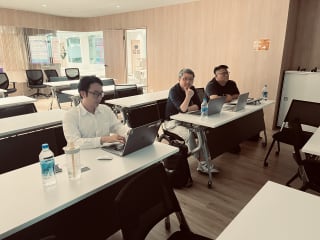
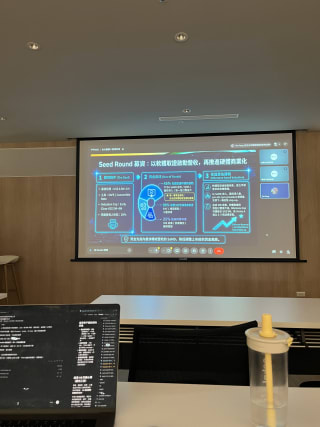
Another month, another visit to NTUTEC (National Taiwan University Innovation and Entrepreneurship Center). This was the fifth session.
Today’s coordinator was Xiao Hei, who comes from Taipei Tech and also works on the NT$10 billion Youth Entrepreneurship Fund. We even got into AI adoption inside companies. Having a coordinator in the room keeps the pace steady and helps refocus the discussion from the sidelines.
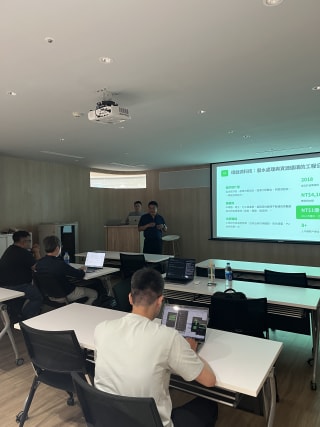
Three teams presented in turn: Jimmy from Hanjiang Biotech, Shon from Mao Tang Yuan, and Kai from Flex Bubble, a 21-year-old sophomore at the National University of Singapore. Howard asked his usual sharp questions. A few of them I wrote down on the spot, which is how this post came about.
1. Jimmy / Hanjiang Biotech: License In and Out, and the Middle East as Untapped Ground
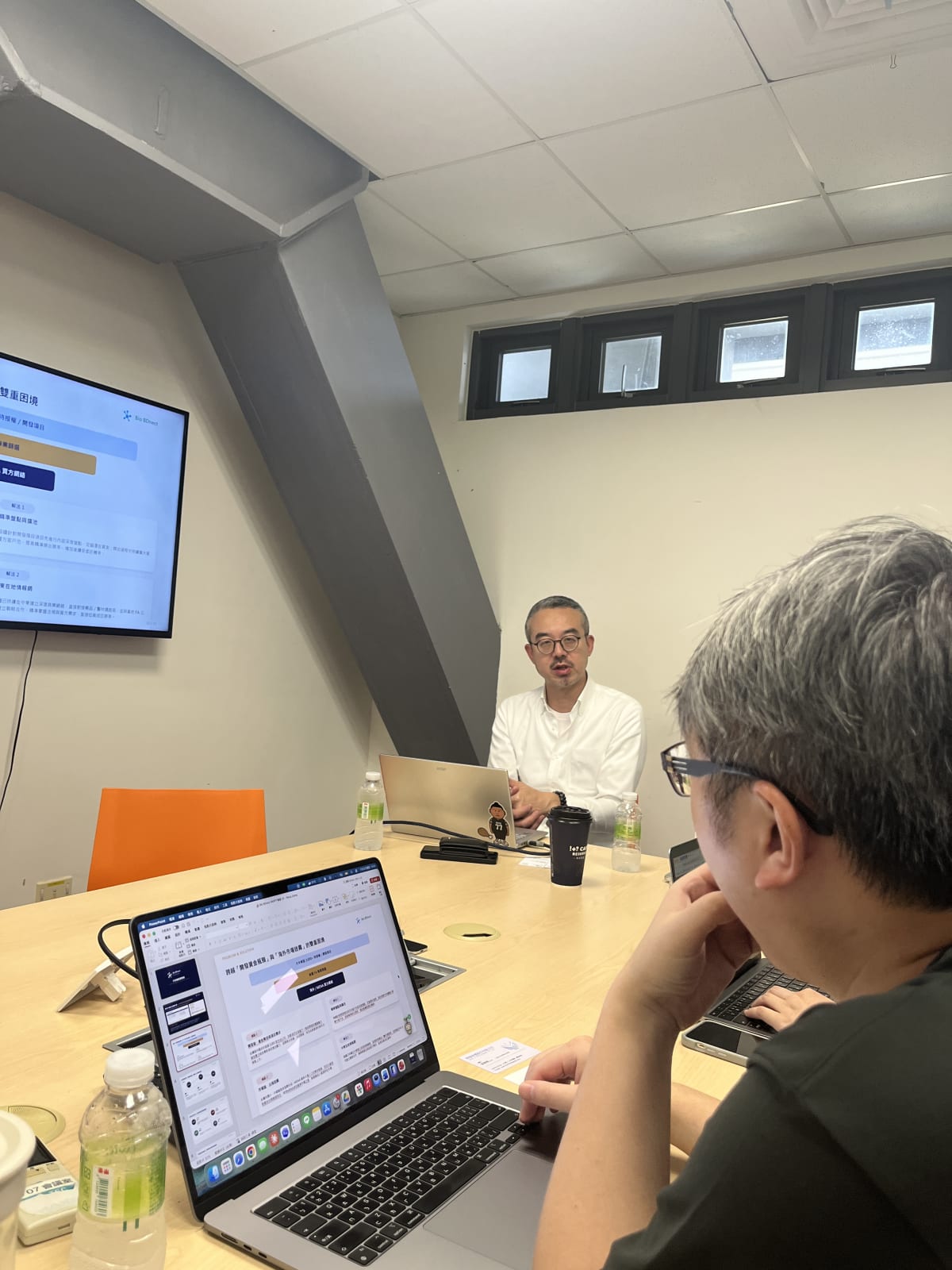
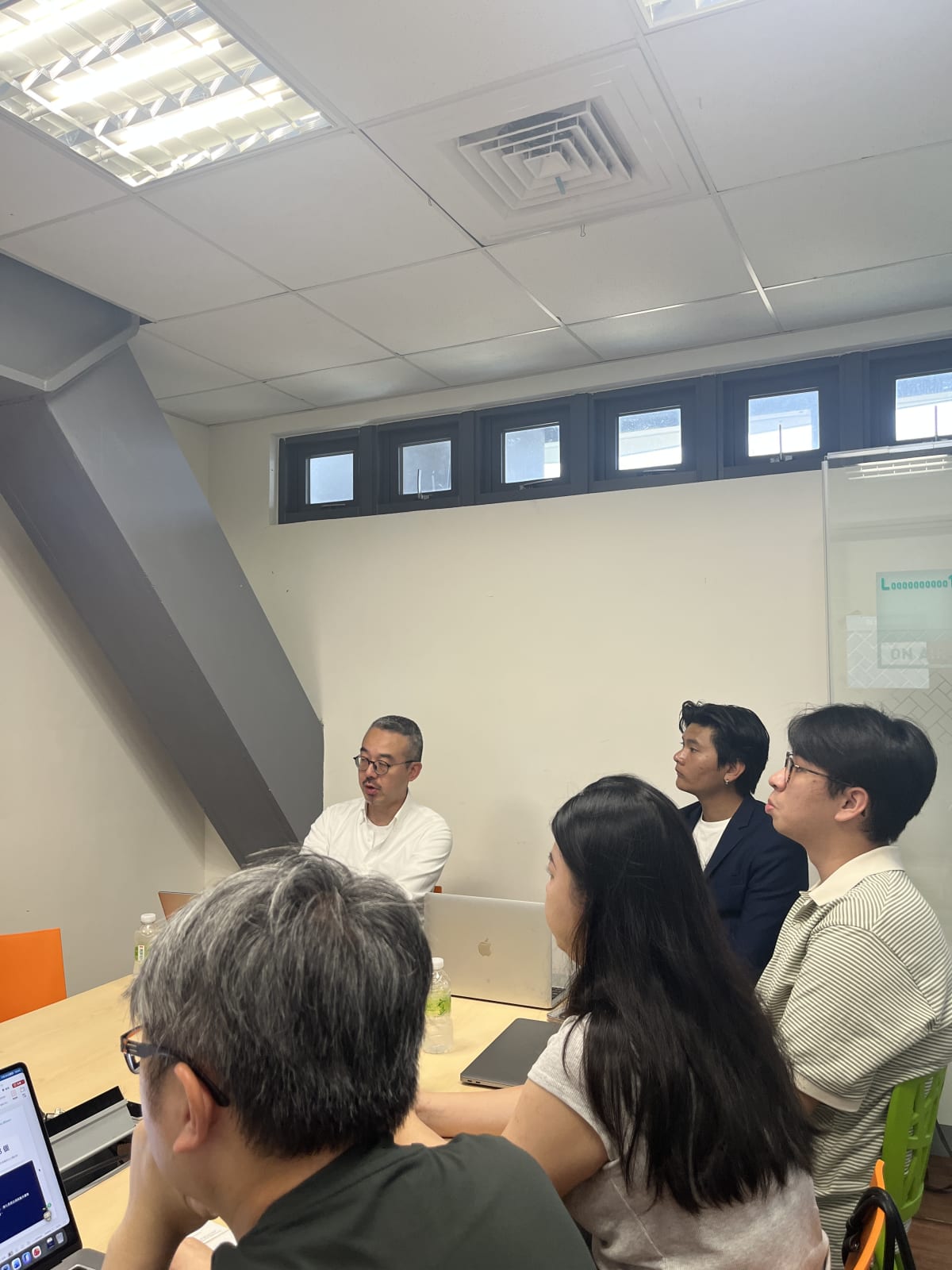
Hanjiang works on biotech licensing and technology transfer. When the conversation turned to license in / license out, Howard was clearly interested.
The reality of Greater China biotech going abroad is harsh. There are more than 3,000 related companies in China, every round demands heavy capital, and Phase II costs in particular tend to balloon. Taiwanese biotech companies usually do not have capital that deep, so many raise through the emerging stock board or OTC listings, sell a project, and roll into the next one. Very few people work full time on business development. Most teams still put their weight behind R&D.
Hanjiang targets small and mid-sized biotech firms and works the sell side. Most people have been watching the US and Europe, but the Middle East is relatively untapped ground. The regional strengths are generic drugs and basic medical devices, demand for new drugs is high, and local execution capability is needed. Hanjiang works with local financial advisors, targets the MENA market across pharmaceuticals and medical devices, also runs CRO work, and takes a cut on success. A full transaction takes roughly 18 months. Even rushed, six months is the floor.
The conversation also covered fundraising logic. Howard will ask: founder shares? All at once? What is the share price? Outside investors often have reservations about married co-founders. Is the next round coming in from someone too close to you? Outside investors usually want a single point of contact. The second round can be staged, with shares released against revenue milestones. Look for strategic investors. Pharma projects are not easy for VCs to back because they are project-shaped, with high working-capital swings and little economy of scale. Only once the platform reaches a certain point does a VC become plausible. Often you raise because you are short on cash and need to hire. Once revenue starts, you may not need to raise again.
The toughest question Howard asked:
Are you mixing several lines together because you ultimately want to build a one-of-a-kind platform, or because you lack the capital and resources to do otherwise?
Different investors want different things. And an exit is not only an IPO. CVC and M&A count too. It comes down to whether the founder wants a stage or wants money.
This runs along the same line as part one of the series, “making money does not equal investment value.” Capital markets look at structure and exit path, not just whether you turn a profit today.
2. Shon / Mao Tang Yuan: Overseas by Month Three, but Do Not Blow Up the Cap Table
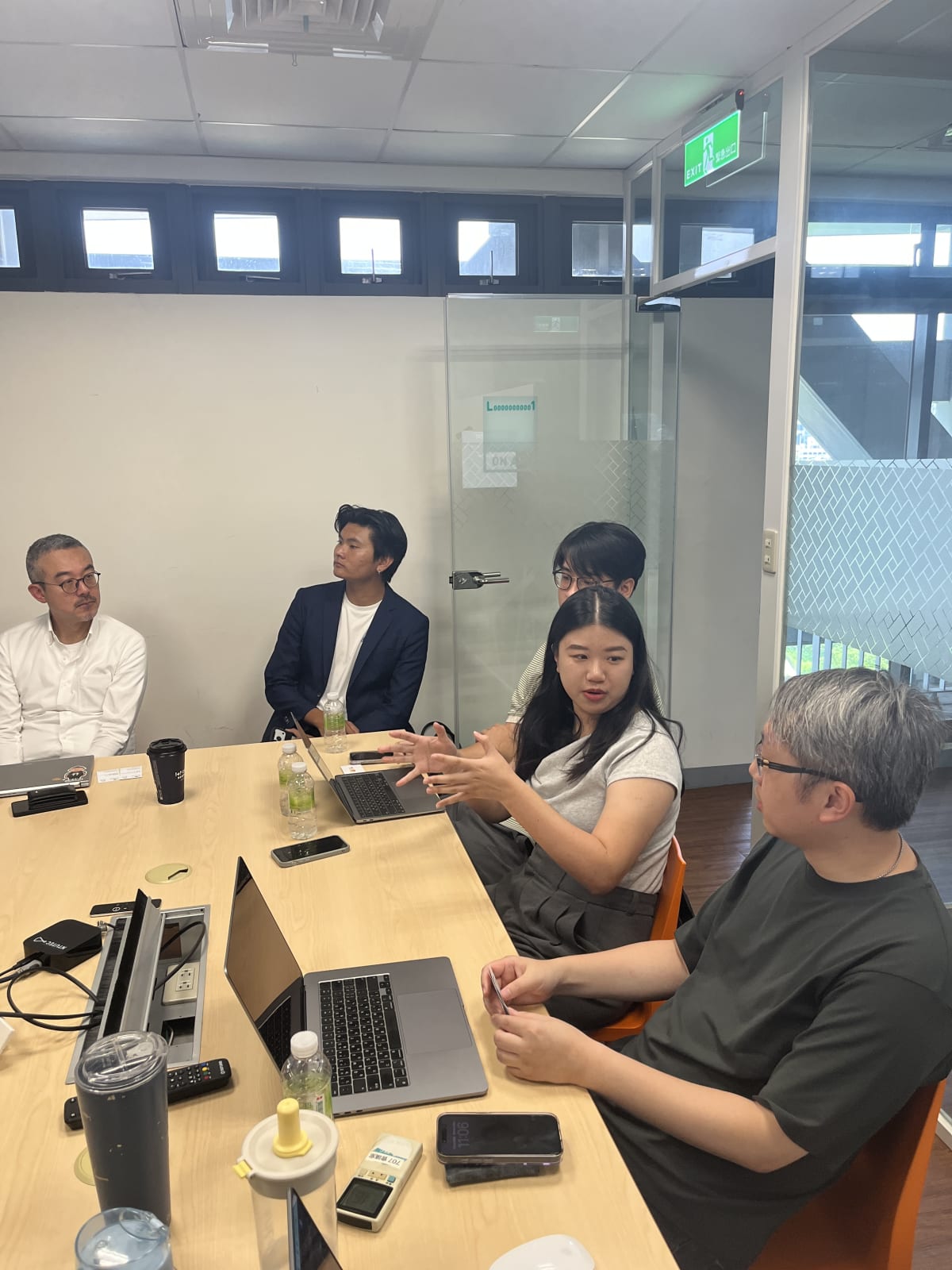
Mao Tang Yuan makes pet food and went overseas in its third month, with a presence in Malaysia, Singapore, and Shanghai. Products are in about 300 stores, and the company has moved into human health supplements and carbon credits.
Back when cash was running out, they chose to carry samples and walk into stores one by one. Distributors came to them directly, and they joined SBIR. After Hong Kong worked, they flew to Malaysia to talk with petico.my, and the channel is now close to 300 outlets. The corporate path went from limited company to joint-stock company, at NT$10 per share, with NT$10 million paid-in capital, and positive cash flow all year.
This time Howard pressed hard on equity: why does this person, who put in so little, get such a large share? If the profit-sharing group has already been handed 50%, later outside investors will not want in. Releasing roughly 20% per round is what keeps outside capital willing to participate.
This is the same category of red flag as the cap-table discussion in part one. The problem is not whether you share equity, but that giving it away too early and too generously blocks the rounds that come after.
Mao Tang Yuan now wants to shift from pet brand to alternative meat-source producer. Acceptance of insect and plant protein is low, while naked clams (shipworms) offer better quality: high protein, edible by humans, little education cost, high B12 content, and extractable bioactive peptides. The leftover residue becomes fishmeal, which is currently mostly imported. One product, three ways to profit.
The room also flagged a caution: going from pet to human is technically demanding. While capitalization is still small, focus on pets first, do not carry too much upfront investment at once, and decide about selling to humans after the money is coming in. A VC will follow with: do you have the background? Are you going into biological agriculture? Contract manufacturers? Where do you cultivate? Do you have a cost advantage? Are you supplying raw material to a contract manufacturer? Are you planning to get the relevant certifications? Once you become a manufacturer, who are you selling to?
The most practical line of the session: pet food is priced higher, so if you can make it, stay in the premium band and do not cut price.
3. Kai / Flex Bubble: 21, a Sophomore, and the Prototype Beats the Deck
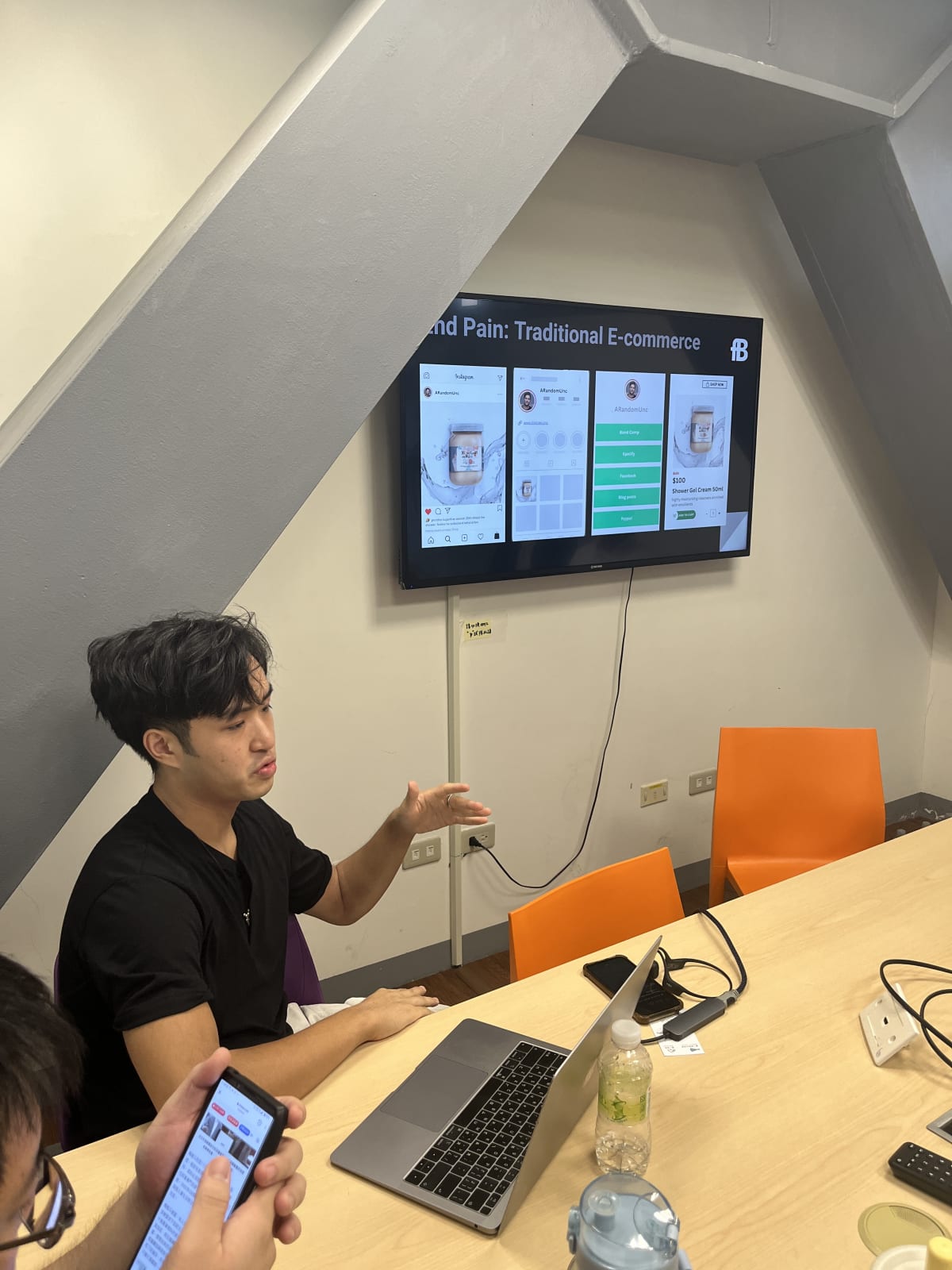
Kai is 21, a sophomore at the National University of Singapore, and part of ACE Singapore. The product is Flex Bubble, a social-media-style product with e-commerce referral built in, with mockups done in Stitch. The consensus in the room was clear: the prototype actually matters more than the deck.
Howard was picky about wording too. Smoother, more human, more flexible: all too vague, be specific. Are you not a Singapore team? Why LINE rather than WhatsApp? If you can go global directly, why lock onto Taiwan first? Silicon Valley is better, and most Taiwanese capital still leans toward manufacturing. You have the summer free, so go talk to ten VCs now.
Deck numbers get taken apart immediately. Raising NT$1 million with only one RD, yet product accounts for 40%: the structure is visibly off. Who the founders are and what their background is all has to be spelled out.
This is close to an advanced version of the same lesson as part three, “the deck is secondary.” You not only need to tell the story without the script, you also need to swap every adjective for verifiable behavior and numbers.
Three Lines I Took Away
- Think through the exit path first. An IPO is not the only answer. CVC and M&A count too. Whether the founder wants a stage or wants money determines who you should be talking to.
- Equity is the ticket for the rounds ahead. Give away too much and nobody wants in later. Releasing about 20% per round keeps outside investors willing to sit down.
- Make the deck specific. Adjectives are worthless, numbers and prototypes are not. Market choice, cost structure, and founder background all get checked against the answer key on the spot.
Five sessions in, I am getting used to how Howard asks. He is not trying to scare you. He is pulling forward the questions you will face before the next round, so you can practice them early.
If you would like to bring your team in for a deep diagnosis round, let me know. See you at the next one.