NTUTEC Notes (4)|VCs Follow Deals for Six Months and Up: Disclose Weaknesses Honestly, and Networks Compound
On my fourth NTUTEC visit with a team, I distilled three takeaways: VC follow-up timelines, the value of honest weakness disclosure, and the compounding power of cross-circle networking.
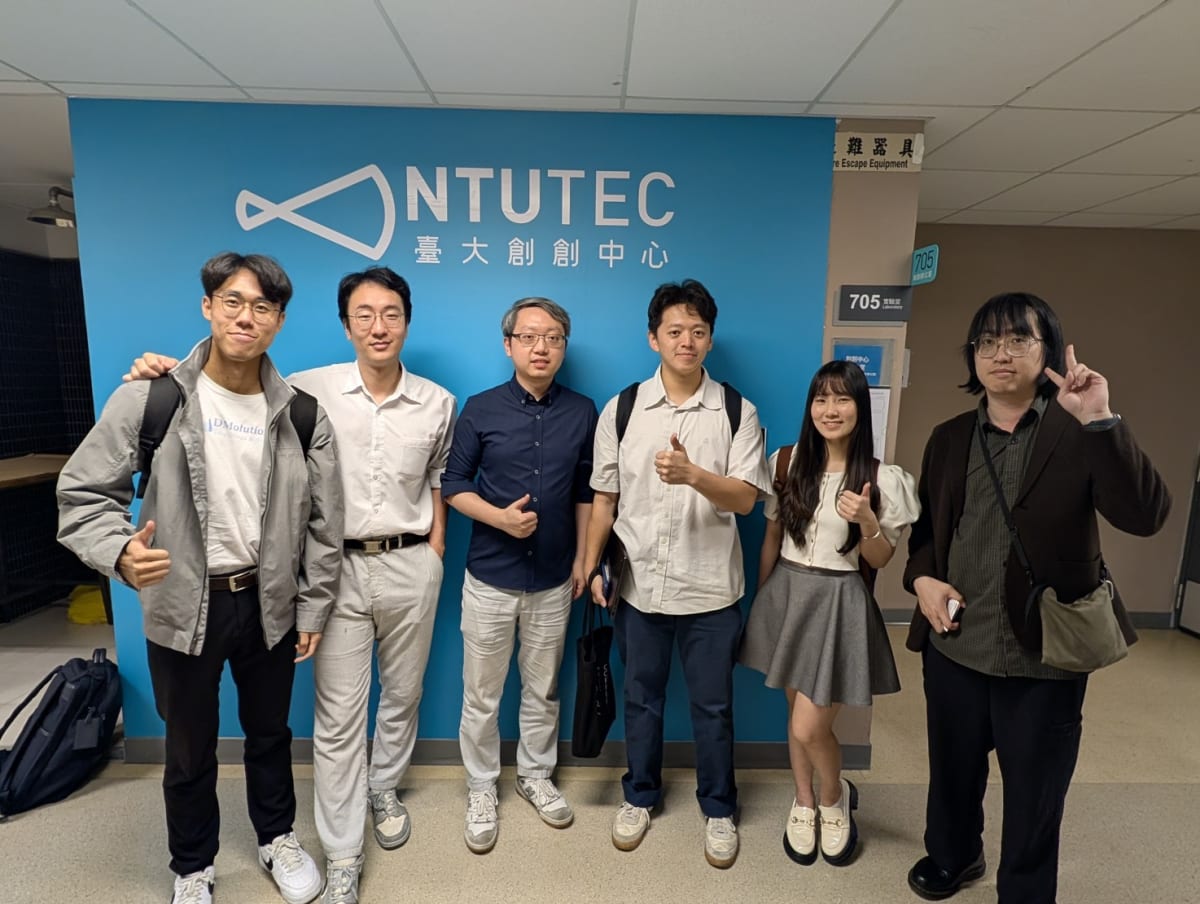
It was time again for the monthly NTUTEC visit. This round I also brought a friend who got interested after seeing my Threads post. Having a little helper every time would be amazing. The point of this recap is to stretch the timeline. Do not rush to see results.
1. Follow the deal for six months and up
From the first meeting, VCs are already watching.
It is not a polite listen-and-cheer session. They look at the Q1 and Q2 goals on your deck and check six months later whether you hit them. VCs hate empty talk. Do not invent numbers.
Before I bring a team now, I always say this: the Milestone on your last slide becomes the report card they will pull out every time you meet again. Set it too high and missing it costs credibility. Set it too low and they question your ambition and growth potential.
A healthier approach: set goals you can only reach by jumping, and make sure every number has a verification method. For example, do not write “Q2 user growth 300%.” Write “Q2 paid customers grow from 12 to 25, mainly from XX channel, verified by contract IDs and ARR reports.”
VCs follow deals for six months and up because they want to see who actually does what they say. LP money is performance-driven too. They need to know who is worth trusting.
2. VCs are not always cold
They know founding is hard.
But the premise is that you are willing to name your weaknesses and not sell a fantasy. How much you lose each month, how much goes to overhead, how many customers you have. The hard truths still have to face daylight. The more sincere you are, the easier it is for a VC to help.
At NTUTEC, they also have incubator functions. Investment manager Howard often stresses: If a startup were already perfect, why come to a VC?
This is the same honesty line from part one of the series. You do not need to pretend everything is handled. Spell out the status, the gaps, and the resources you need, so the other side knows how to step in.
The worst case I have seen is a founder dodging cash-flow questions. The VC is still smiling, but already drafting the pass reasons. The best case is a founder volunteering, “We burn NT$800K a month, runway is five months, this round we raise NT$20M, with 40% to R&D and 30% to sales and marketing,” and the other side starts helping map which path makes more sense.
3. Compounding is not only about money
Friends who joined this time included:
- Partners from nodullardsclub
- coco.career from the Taoyuan circle
- Partners from the Taoyuan Youth Affairs Committee
- Kainan University mentor Gugu, who pitched their event software HypeLink
- Jiajia, who played the helper role that day. She did not pitch on stage, but helped keep the rhythm on the side. We talked about her studying in the UK first, then founding a company, building content travel routes from the idea that “everyone’s trip has a unique itinerary” (A Journey of British Taste)
- dmolution Tommy, introduced by a Top 100 Youth friend. He co-founded with a Chang Gung University professor and brings both medical and AI backgrounds.
Continuously expanding your network is compounding in itself.


If you are willing to help others first and give 100 to the universe, the universe pays you back 105 in interest. One day the compounding becomes visible. This is not empty talk. I have felt it over these past months: bring team A, and A’s problem may be the pit team B stepped in last month; B’s resources may unlock team C’s bottleneck.
Tommy’s segment stuck with me. Howard said on the spot that he had already met Tommy several times. I do not think that was small talk. It maps directly to network compounding. Enter more competitions, join more accelerators, and LPs and the investing circle will remember you. Being remembered is itself a ticket to the next opportunity.
Later I chatted with Jiajia on the side and saw a Linkverse feature about her first-year results. I was stunned. Someone that accomplished, and I treated her like a little helper. Embarrassing, honestly.
Series wrap-up: hard metrics, tools, soft skills, then you
After four trips, I sorted this series into three layers:
- Hard metrics: Making money ≠ investment value, equity, DD on site. This is the threshold.
- Prompt tools: Before you go on, pressure-test a round with AI as GP. This is preparation.
- Soft skills: The deck is secondary. The founder is the subject. This is the bonus.
Finally, face your weaknesses honestly so the other side has a chance to help. Then keep treating your network as a compounding asset, not a one-time exchange.
If you are preparing to meet a VC, the suggested order is: run the Prompt self-check first, then patch gaps against hard metrics, then practice finishing the story without a script. Then walk into that meeting room with real numbers and your real self.


